Raytop paper straw is a game-changer for anyone choosing between eco-friendly and single-use options. Every day, millions of plastic straws clutter landfills and oceans, making this switch a small but powerful move. Raytop, a brand focused on sustainable solutions, crafted this straw to fix the flaws of traditional plastic alternatives. Let’s compare how Raytop paper straw stands against plastic—covering eco-friendliness, safety, and daily use.
Paper Straw: Winning the Eco-Friendly Battle
When it comes to the planet, Raytop paper straw outperforms plastic easily. Plastic straws take up to 200 years to decompose, often ending up in oceans and harming marine life. They leave microplastics that sneak into the food chain, causing long-term damage. Raytop paper straw, however, breaks down naturally in 4–6 weeks if disposed of properly. It’s made from recycled paper and plant-based coatings, so no toxic residue is left behind. For cafes, restaurants, or homes wanting to cut waste, this straw is the clear choice.
HowPaper Straw Tops Plastic in Safety
Safety is another area where paper straw shines brighter than plastic. Plastic straws often have BPA and other chemicals that leach into drinks, especially hot ones. Over time, these chemicals may risk health, especially for kids or frequent users. Raytop paper straw uses food-grade, non-toxic materials. The coating that stops sogginess comes from plants, not synthetic substances. Parents can safely give this straw to toddlers, and adults can sip hot coffee or iced tea without worry. Plastic straws can’t match this level of safety.
Plastic Straws: A Tiny Edge in Extreme Durability
While paper straw leads in eco-friendliness and safety, plastic has one minor plus: durability in extreme conditions. A plastic straw can sit in a cold drink for hours without softening or breaking. In very humid spots, some low-quality paper straws may weaken faster. But Raytop paper straw solves this for most cases. It has a thick, moisture-resistant coating that keeps it sturdy for 2–3 hours in cold drinks—enough time for most people to finish their beverage. For long events like all-day festivals, businesses can still trust Raytop paper straw.
Cost and Practicality: Paper Straw vs Plastic
Many worry about cost when switching from plastic to Raytop paper straw, but the difference is small. Raytop paper straw costs slightly more per unit than basic plastic ones, but demand is shrinking this gap. For businesses, the cost is offset by customer approval—more people pick cafes that use eco-friendly options. Practicality also favors Raytop paper straw: it’s easy to store, just like plastic. It doesn’t take extra space and is lightweight for delivery. Unlike plastic, it needs no special disposal, making it simpler for busy teams to manage.
Raytop’s Vision: Beyond Single-Use Straws
Raytop doesn’t just make Raytop paper straw to compete with plastic—it wants to end single-use straws entirely. The brand is testing reusable straws made from bamboo and stainless steel, along with its paper line. But for now, Raytop paper straw offers the best balance of convenience and sustainability for most users. It lets people enjoy drinks without harming the planet, one sip at a time.
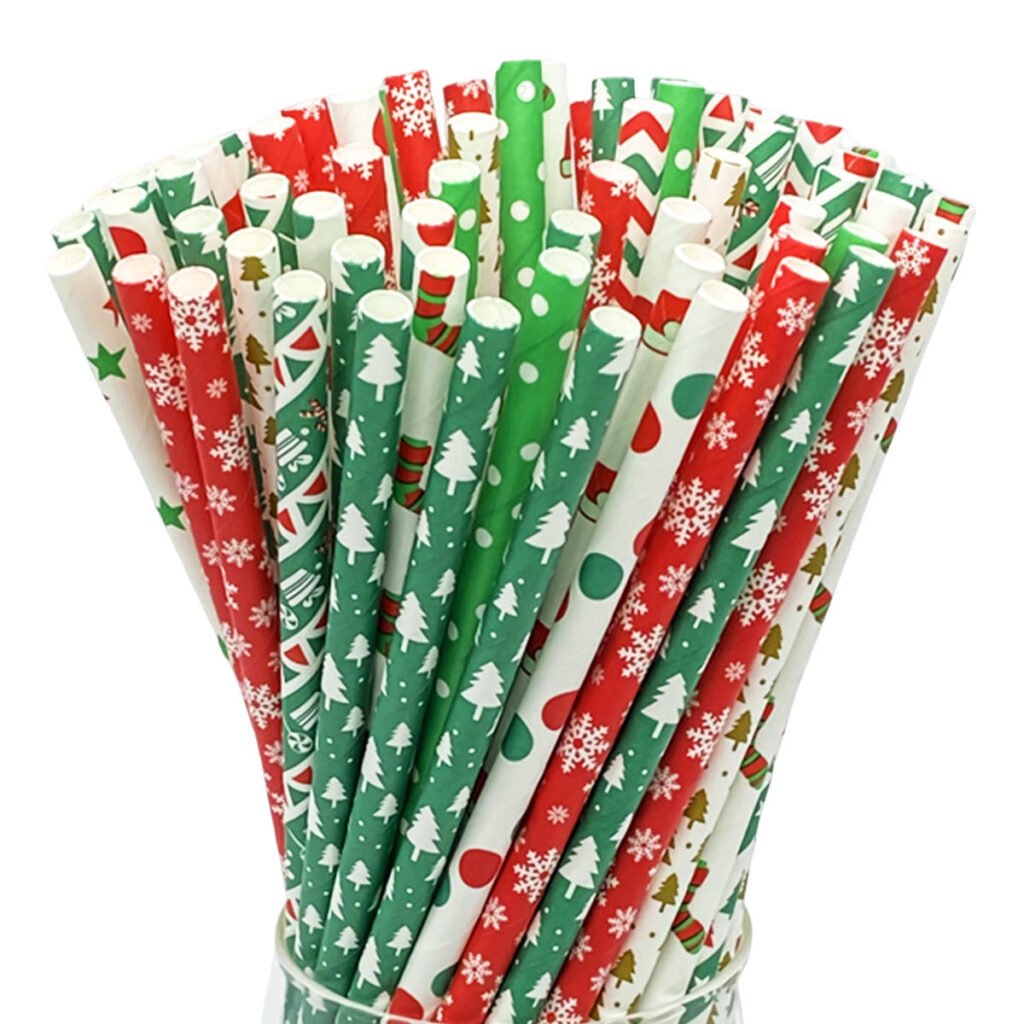
Raytop paper straw isn’t just a product—it’s a choice for a better future. Plastic straws have served their purpose but are no longer responsible in a sustainability-focused world. This straw proves eco-friendly choices don’t mean sacrificing quality or convenience. Whether you’re a business owner or a home user, switching to Raytop paper straw is a small step that adds up to big change.