Eco-tableware regulations have become a critical driver of change in the global food service industry. As plastic pollution worsens, countries worldwide are rolling out rules to limit single-use plastics and promote sustainable alternatives. For Raytop, a brand specializing in eco-friendly tableware, these regulations are not just compliance requirements—they are opportunities to innovate and support businesses in their green transitions. This article breaks down key eco-tableware regulations across continents, helping readers understand global trends and how Raytop aligns with them.
Europe: The Blueprint of Eco-Tableware Regulations
Europe stands as a pioneer in eco-tableware regulations, setting strict standards that many regions follow. Its proactive approach focuses on reducing plastic waste and boosting the adoption of biodegradable options.
EU: Phasing Out Single-Use Plastic Tableware
In 2021, the EU implemented a landmark regulation banning 10 single-use plastic items, including plastic cutlery, plates, and straws. This rule requires member states to stop placing these products on the market, pushing businesses to switch to eco-friendly alternatives. The regulation also sets targets for the collection and recycling of certain plastic products, further reducing environmental impact. For details, refer to the official EU document: EU Single-Use Plastics Directive. This policy has directly driven demand for Raytop’s biodegradable tableware across European cafes and restaurants.
France: Mandating Bio-Based Materials
France took an extra step in 2020 by banning single-use tableware made from non-biodegradable materials. It requires all disposable plates, cups, and cutlery to be crafted from bio-based resources that break down naturally. This regulation not only reduces plastic waste but also supports local agricultural industries that supply raw materials for bio-based products. Raytop’s tableware, made from renewable resources like sugarcane fiber, fully meets France’s strict standards, making it a top choice for French businesses.
Sweden: Promoting Informed Choices
Sweden’s unique approach to eco-tableware regulations focuses on consumer awareness. The country requires food service providers to inform customers about the environmental impact of single-use tableware. It also mandates offering reusable packaging options alongside disposable ones. This rule encourages both businesses and consumers to prioritize sustainability. Raytop’s reusable and compostable tableware lines help Swedish cafes meet these requirements while keeping customer satisfaction high.
Asia: Diverse Eco-Tableware Regulations for Green Dining
Asia’s large population and fast-growing food service sector have led to diverse eco-tableware regulations. Countries here balance environmental protection with practicality, creating tailored policies.
China: Comprehensive Plastic Pollution Control
China has a long history of addressing plastic waste, starting with its “Plastic Restriction Order” in 2008. In 2020, it strengthened the policy by banning non-degradable disposable plastic tableware in restaurants and takeout services by the end of 2025. Local governments, like Shanghai and Guangzhou, have already implemented stricter rules ahead of the national deadline. For the full policy, visit: China’s Plastic Pollution Control Plan. Raytop has partnered with major Chinese food delivery platforms to supply compliant eco-tableware, supporting the country’s green goals.
South Korea: Banning Disposable Plastic Bags
While South Korea’s main focus is on disposable plastic bags (banned nationwide since 2021), the policy has a ripple effect on eco-tableware. The ban raises consumer awareness about plastic waste, leading to higher demand for sustainable tableware in cafes and supermarkets. Raytop’s lightweight yet durable eco-tableware has gained popularity in South Korea, as it fits the country’s fast-paced lifestyle without harming the environment.
India: Strict Plastic Bans and Maritime Rules
India implemented a nationwide ban on single-use plastics, including plastic plates and cutlery, in 2022. The country also has a unique “Maritime Plastic Ban” that prohibits plastic tableware in coastal areas and on ships to protect marine life. Enforcing these rules has been a challenge, but they have spurred growth in the eco-tableware market. Raytop’s affordable and compostable tableware is helping small businesses in India comply with the regulations without increasing costs.
The Americas: Regulations Guiding Sustainable Consumption
The Americas show a mix of federal and state-level eco-tableware regulations, with a strong focus on reducing plastic waste in urban areas.
United States: A Patchwork of State-Level Bans
The U.S. does not have a federal ban on single-use plastic tableware, but many states and cities have implemented their own rules. For example, New York City banned disposable foam plastic food containers in 2015, and Washington State prohibited single-use plastic straws in 2020 (with exceptions for medical needs). California has also passed laws restricting plastic cutlery and plates in restaurants. For a list of state policies, see: U.S. State Plastic Bans. Raytop works with U.S. businesses to navigate these diverse rules, offering customized eco-tableware solutions.
Costa Rica: Banning Polyethylene Foam
Costa Rica, known for its environmental leadership, banned the use of polyethylene foam plastic (commonly used for takeout containers) and plastic straws in 2020. The regulation applies to all food service providers, from small street stalls to large restaurants. This move aligns with the country’s goal of becoming carbon-neutral by 2050. Raytop’s foam-free, compostable tableware has become a staple in Costa Rica’s tourism industry, which relies on preserving natural beauty.
Oceania and Africa: Growing Awareness of Eco-Tableware Regulations
Oceania and Africa are newer to widespread eco-tableware regulations, but their actions show a growing commitment to sustainability.
Australia: State-Led Plastic Restrictions
Australia’s regulations vary by state. Queensland and Western Australia have banned retailers from providing single-use super thin plastic bags, and some cities (like Sydney) are extending restrictions to plastic tableware. Raytop’s eco-tableware, which is easy to recycle and compost, helps Australian businesses meet these emerging rules.
Tanzania: Wide-Ranging Plastic Limits
Tanzania has one of Africa’s strictest plastic regulations, banning the import, production, sale, storage, supply, and use of all plastic bags (regardless of thickness) except for specific medical and industrial purposes. While the focus is on bags, the policy has increased demand for eco-tableware in Tanzanian markets. Raytop’s affordable and durable products are well-suited to this growing market.
Raytop’s Actions and Future Outlook
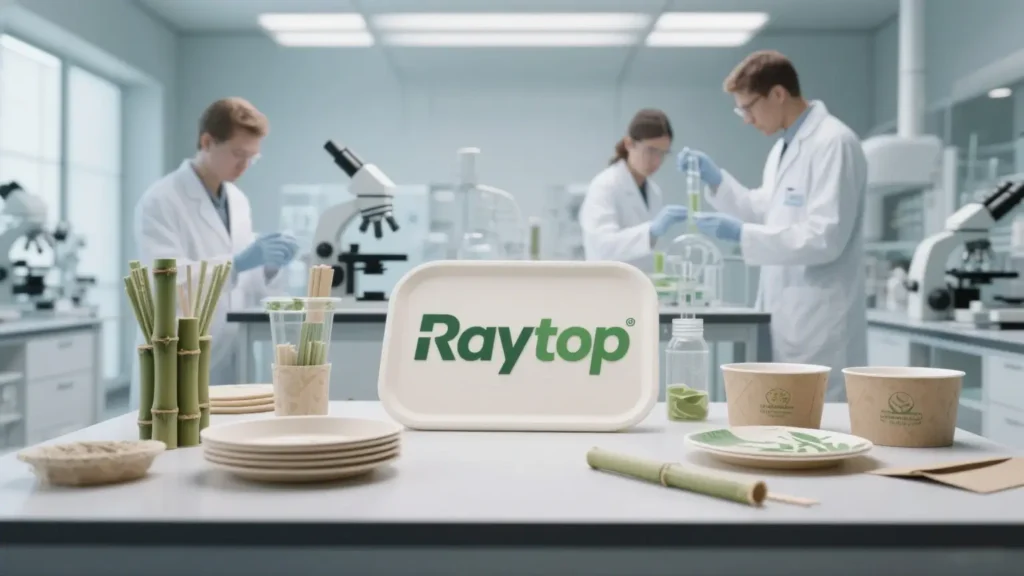
Raytop closely monitors global eco-tableware regulations to ensure its products always meet or exceed compliance standards. The brand invests in research and development to create tableware from innovative materials, like bamboo fiber and recycled paper, that align with diverse regional rules. It also offers consulting services to help businesses understand and adapt to new regulations, making the transition to eco-friendly tableware smooth. As more countries tighten eco-tableware rules, Raytop is poised to expand its global reach, supporting a more sustainable food service industry.
Eco-tableware regulations are not just about restricting harmful products—they are about building a more sustainable future. Raytop’s commitment to aligning with these rules, while creating high-quality, user-friendly tableware, makes it a trusted partner for businesses worldwide. As the global movement toward eco-friendly dining grows, Raytop will continue to lead the way, turning regulatory challenges into opportunities for positive change.